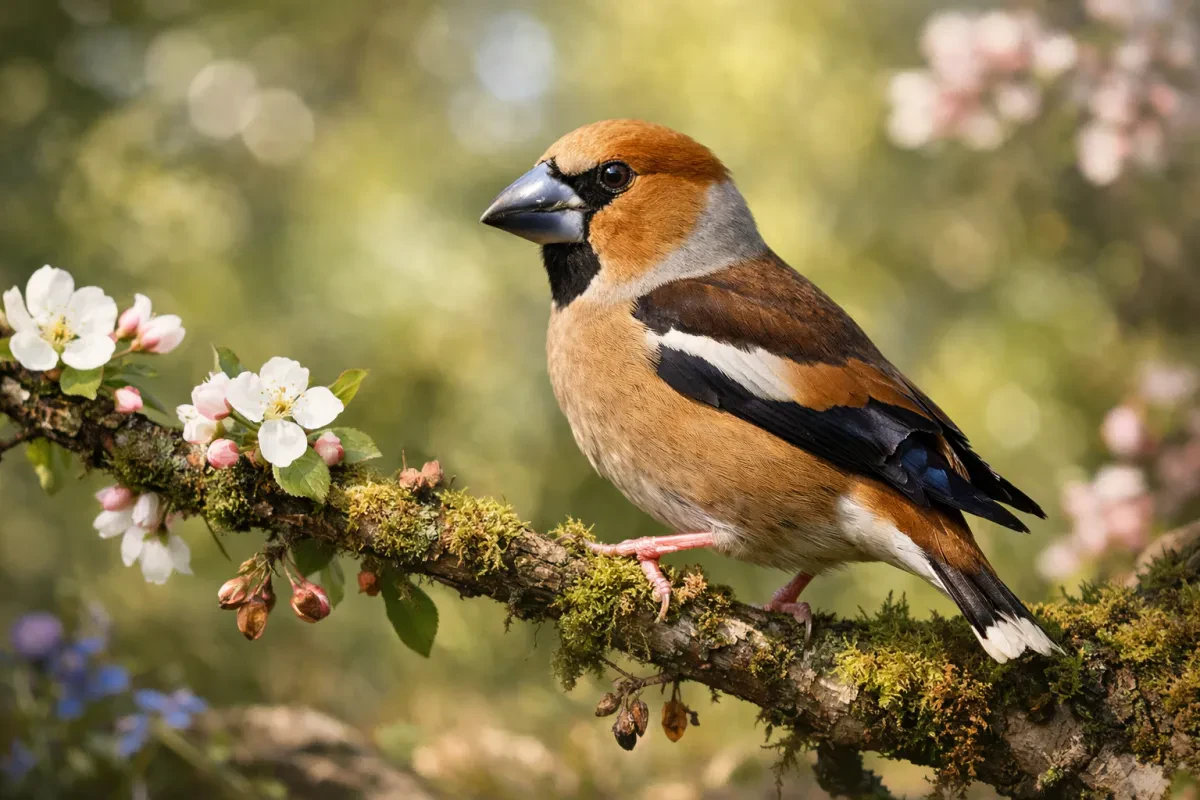
Let's meet the British Hawfinch Bird, a real gem in the UK’s avian world. You might first notice its stocky body and big, chunky bill—perfectly designed for cracking open those tough seeds and stones. This bird doesn’t just look unique; it stands out with its striking colors. The hawfinch features a mix of warm browns and soft greys, topped off with a splash of deep yellow on the wings. It's a beauty, for sure!
You’ll likely find the British Hawfinch Bird in woodlands and parks, often hanging out in the company of trees where it can munch on berries and seeds. Keep your eyes peeled during spring and summer, which is when these birds are more active and visible. Spotting one can be a delightful challenge, as they often blend in with their surroundings.
What makes the hawfinch even more interesting is its social nature. They favor being part of a flock, especially outside of breeding season. Watching them interact with one another can be quite a treat, as they hop around, communicating with soft calls. If you're lucky enough to see these stunning birds, you might be treated to their charming quirks!
As you explore the vibrant world of British birds, don’t miss the chance to learn about the British Hawfinch Bird. Its unique features and behaviors make it a fantastic topic for birdwatchers and nature enthusiasts alike. Keep your binoculars handy; you never know when this beautiful bird might be nearby!
Habitat and Behavior Insights
The British Hawfinch Bird loves to hang out in woodlands, gardens, and parks. These birds are pretty particular about where they choose to live. They enjoy areas with plenty of trees and shrubs because they like to have places to hide and sources of food nearby. You’ll often spot them in beech and hornbeam woods, especially during the breeding season.
When it comes to behavior, the British Hawfinch Bird is quite fascinating. You’ll usually see them perched high in the branches, keeping a lookout for food. They have a strong, chunky build that helps them crack open tough seeds and fruit pits. Their sharp, powerful beaks are perfectly designed to tackle even the hardest of nuts, so if you’ve got a garden with fruiting trees, you might just attract a few!
These birds are generally quite social. They like to hang out in small flocks, especially during the winter months when they gather to forage for food. When you see them feeding, they can be pretty entertaining. They hop around and pick at the ground, sometimes being a bit picky about what they choose to eat. It’s fun to watch them in action!
The British Hawfinch Bird isn’t just a pretty face; they have a unique call, too. It sounds a bit like a low “chink” or “tsik”, making it easier to spot them once you know what to listen for. If you're out birdwatching, keep your ears open. The call could lead you right to a flock of these amazing birds!
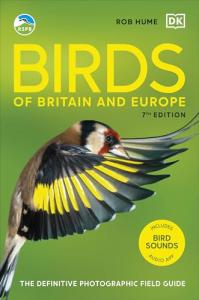
RSPB Photographic Field Guide to British Birds
Discover stunning photos and expert insights to help you identify your favorite British birds
Product information
$22.94 $18.35
Product Review Score
4.83 out of 5 stars
63 reviewsProduct links
Diet and Feeding Habits
The British Hawfinch Bird has a pretty unique diet that really sets it apart from other birds. These round-bodied beauties love munching on seeds, especially those from hard-shelled fruits like cherries, plums, and even some nuts. Their strong, chunky beaks are perfect for cracking open tough shells to get to the goodies inside.
Along with seeds, the British Hawfinch Bird doesn’t shy away from a few insects now and then. These little protein-packed snacks come in handy, especially during the breeding season when they need extra energy. You’ll often find them foraging in the trees or on the ground, searching for their next meal.
Timing is key for the British Hawfinch Bird too. They usually feed in the early morning or late afternoon when it’s cooler and more comfortable. If you’ve got a garden, planting berry-bearing shrubs can attract these charming birds. Just imagine having the joy of watching them as they feast just outside your window!
Overall, understanding the diet and feeding habits of the British Hawfinch Bird adds another layer of appreciation for these amazing creatures. Whether they’re cracking seeds or nibbling on berries, every glimpse of them is a reminder of nature's wonders.
British Birds Pocket Guide Collection by RSPB
Discover the joy of birdwatching with this handy collection packed with information on your favorite British birds
Product information
$31.03 $22.26
Product Review Score
4.36 out of 5 stars
219 reviewsProduct links
How to Spot a Hawfinch
If you’re on the hunt for the British Hawfinch Bird, you’ve come to the right place! These birds have some unique traits that make them a joy to spot. Keep an eye out for a large, chunky bird with a bold beak that looks almost too big for its head. Their short tail and sturdy body make them stand out in the crowd of smaller songbirds.
Check the colors! The British Hawfinch Bird has a warm brown body, with a striking black and white pattern on their wings. Males show more vibrant colors compared to females, so if you see a bright orange hue on the wings, you might just be looking at a male. The face is a mix of black and grey, which adds to their distinguished look.
Listen up! The call of the British Hawfinch Bird is quite unique and can help you locate these feathered friends. They often make a soft “pitting” sound, which resembles the noise made when you pucker your lips. If you hear that, you might be in for a delightful sighting!
Watch their behavior. These birds can be a bit shy but love to hang out in gardens and woodlands. Look for them munching on fruit, seeds, and even tough stones. If you see a group of them huddled together, chances are you’ve found a flock, which is a great opportunity for some birdwatching.
Don’t forget the timing! British Hawfinch Birds are more active during the morning and late afternoon. So, grab your binoculars and head out during these hours. With a little patience and observance, you’ll be able to spot these fascinating birds in no time!