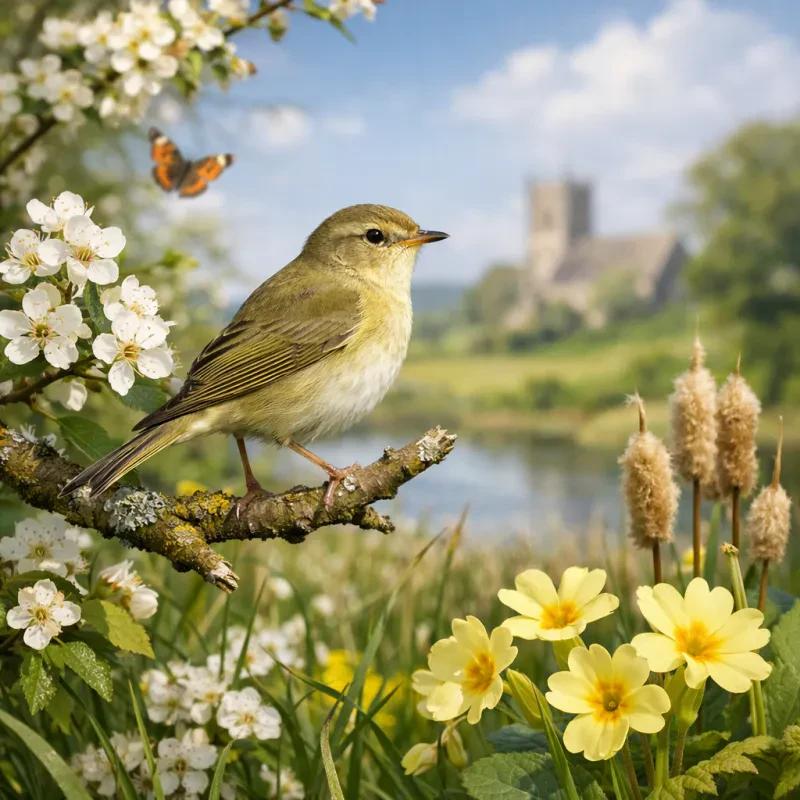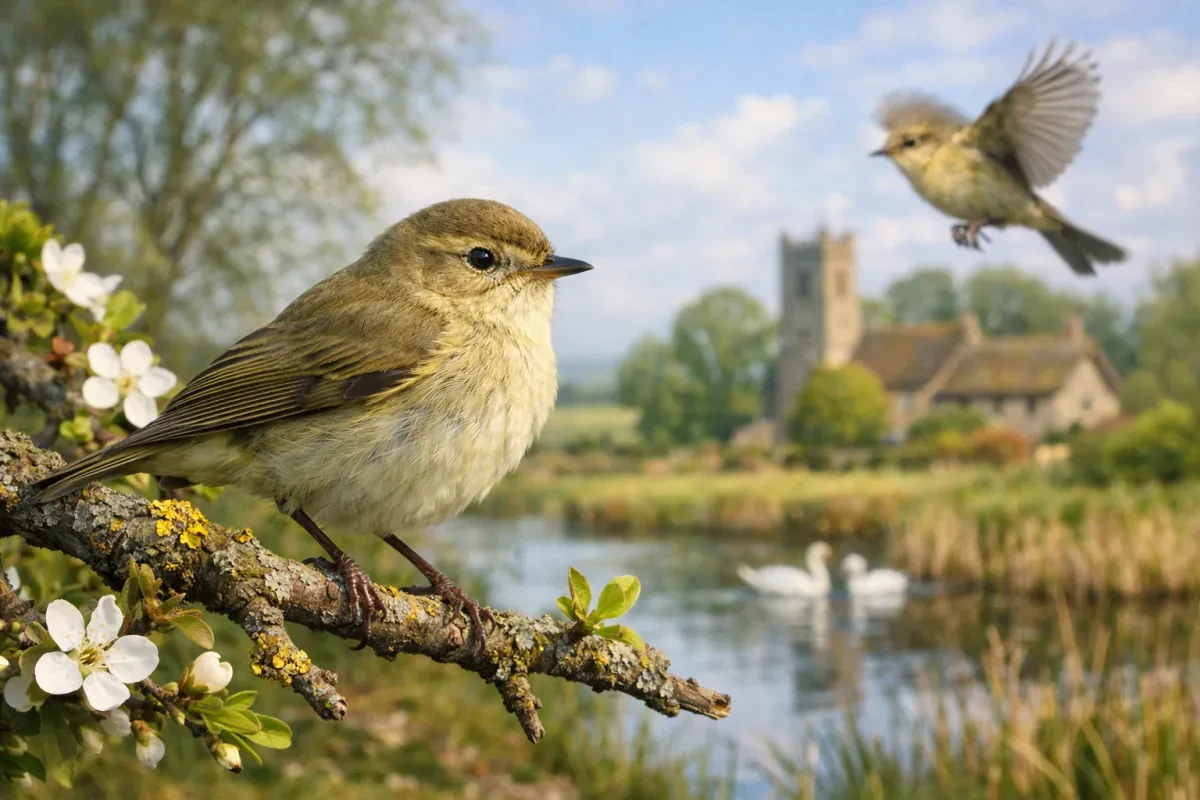
Have you met the delightful Chiffchaff? This small, lively bird brings a cheerful vibe wherever it goes. With its olive-green feathers and bright, beady eyes, it’s hard not to smile when you spot one flitting about in the trees. Their name comes from the cheerful “chiff-chaff” call they make, and you’ll often hear them before you even see them. Trust me, once you learn a bit about these charming creatures, you'll want to keep an eye out for them!
British Chiffchaff bird facts are pretty fascinating! They’re a common sight in our woodlands, parks, and gardens. These little guys typically arrive in the UK during spring and stay until autumn. They love to munch on insects, making them great helpers in pest control during the warmer months. Spotting one is like finding a tiny green jewel hidden among the leaves!
One cool thing about the Chiffchaff is their migratory behavior. While some of them brave the cold winter and stick around, many make the long journey to Africa. Can you imagine flying all that way? They’re tough little birds with a lot of personality! If you want to hear their joyful calls, early mornings are the best time to catch them in action.
Adding a Chiffchaff to your garden can be a delight. They often prefer areas with plenty of shrubs and low trees—ideal for them to hunt for insects and make their nests. If you create a welcoming environment with some native plants, who knows? You might just attract a pair to your backyard!
Where Chiffchaffs Call Home
The British Chiffchaff loves to hang out in various habitats. You’ll often find them in woodlands, parks, and gardens. They enjoy shady areas with plenty of shrubs and trees. These little birds are quite adaptable, which is why you might see them in urban areas too. If you’re searching for these chirpy friends, keep an eye on places where there’s thick underbrush. They like to stay hidden but are usually not shy about their lovely calls.
During the breeding season, Chiffchaffs set up their homes in deciduous forests and areas with dense vegetation. They build their nests low to the ground, often using grasses and moss. This clever choice helps protect their nests from predators and gives the chicks a cozy spot to grow. When nesting, male Chiffchaffs can be heard singing to attract a mate and defend their territory. It’s easy to spot them flitting around in the undergrowth as they sing their signature "chiff-chaff" song.
In winter, some British Chiffchaffs stay put, while others head south to warmer climates. The ones that remain can often be spotted in parks and gardens, foraging for food. They love insects, and you might catch them fluttering around in search of tasty treats. If you’re out and about, listen for their cheerful calls. It’s one of the delights of enjoying the great outdoors and a perfect way to connect with nature.
So, whether you’re in the countryside or just strolling through a local park, keep an eye out for these charming birds. They’re a wonderful part of British wildlife. Understanding their habits and habitats is one of the best British Chiffchaff bird facts you can know. Happy birdwatching!
What Chiffchaffs Eat and Forage
Chiffchaffs are small yet active birds that have a knack for finding their food among twigs and leaves. When it comes to their diet, these little guys are pretty flexible. They mainly munch on a variety of insects and invertebrates, making them a natural pest control option in gardens. Caterpillars, aphids, and beetles often find themselves on the menu!
As the seasons change, so do their eating habits. In spring and summer, you'll spot them eagerly foraging to feed their young. They look for tasty bugs and larvae hidden away in the foliage. During autumn, they switch gears and start snacking on berries and seeds to bulk up for migration. This adaptability is one of the interesting British Chiffchaff bird facts that highlight their survival skills.
While foraging, Chiffchaffs use their sweet, melodic calls to communicate. This helps them keep in touch with their buddies while they search for food. They often hop around branches, using their chirpy voices to scout out the best dining spots. If you're lucky enough to spot one, you might see it flitting from branch to branch, always on the lookout for its next meal.
If you want to attract Chiffchaffs to your garden, consider planting native bushes and trees. These provide natural food sources as well as cover. Offering water sources can also make your garden a welcoming place for these charming birds. Understanding what they eat and how they forage is a key piece of the puzzle when exploring British Chiffchaff bird facts.
Fun Facts About Chiffchaff Behavior
The British Chiffchaff is a little bundle of energy. You’ll often find them flitting around in bushes and trees, singing their sweet, repetitive song that sounds a bit like their name—“chiff-chaff.” It's a classic sound of spring in the UK, and their cheerful melodies instantly brighten up your day!
These tiny birds are super active and curious. You might catch them searching through leaves or hopping around a garden, looking for tasty insects to munch on. They’re great at blending in, so take a close look when you spot one. Their olive-brown feathers help them stay hidden among the foliage.
Chiffchaffs are quite sociable too! They don’t mind hanging out with other birds, especially during migration season. They often join flocks with other warblers, which can lead to some fun birdwatching moments. Their playful nature makes it easy to watch them as they flit from branch to branch.
Another interesting piece of British Chiffchaff bird facts is that they’re masters of adaptation. They can thrive in various habitats, from woodland areas to urban gardens. This means you're likely to encounter them wherever you go, whether you’re on a country walk or just enjoying your backyard.