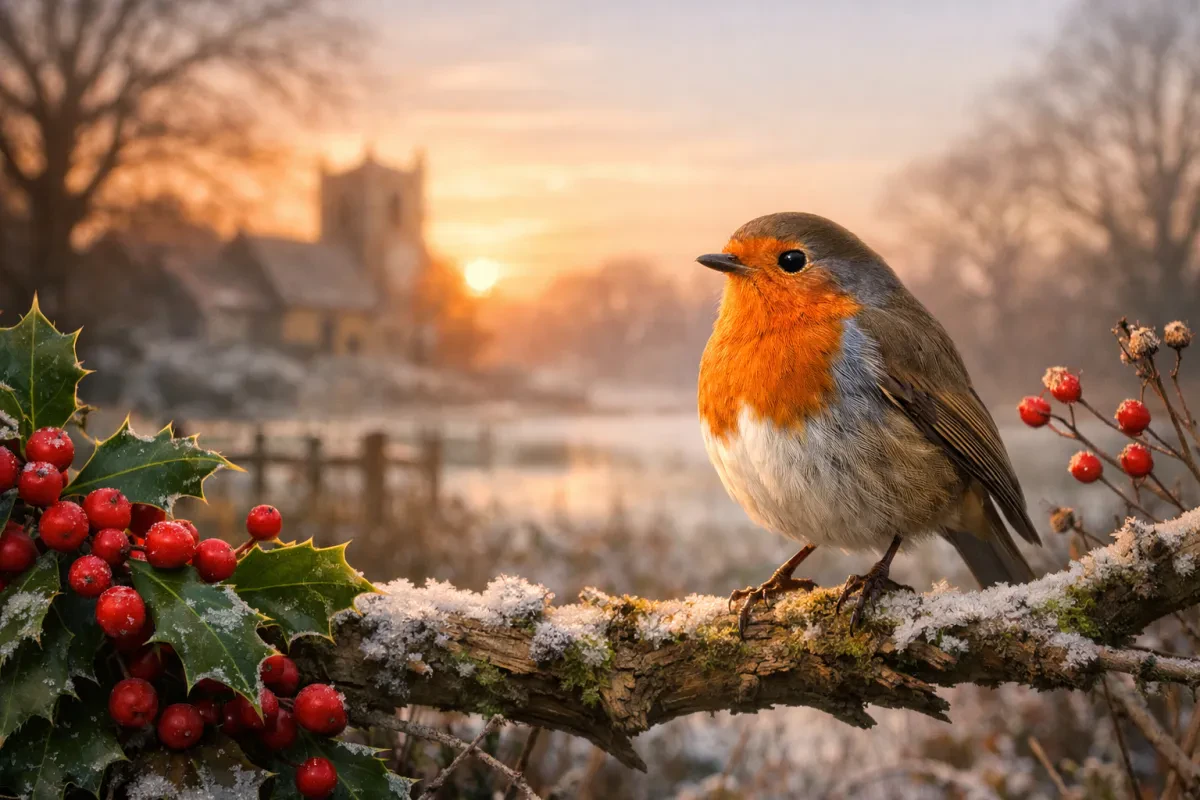
Robins are some of the most beloved birds in Britain, and for good reason! Did you know that they're actually known for their bright orange-red breasts? This vibrant color isn’t just pretty; it helps them stand out against the dreary winter landscape. It's a real mood booster when you see one flitting about!
One of the coolest British Robin facts is that they can be quite friendly. If you’ve ever been out in the garden and had a robin hop close to you, it’s not just coincidence. These little guys often associate humans with food, especially if you've been tossing out some seeds or breadcrumbs. They’re not shy at all!
Here’s something interesting: robins sing throughout the year, but their song is especially beautiful during spring. The male robins sing to establish their territory and attract a mate. Their melodious tunes can brighten up any morning walk or garden visit.
Finally, let’s talk about their nests. British robins have a unique style. They often build nests on or near the ground, using materials like moss, grass, and feathers. This cozy little setup helps keep their eggs safe and warm. Spotting a robin's nest in your garden is like finding a hidden treasure!
Where to Spot a Robin
If you're keen to catch a glimpse of the charming British Robin, there are plenty of spots you can check out. These little birds are pretty adaptable, so you can find them in various places, from woodlands to your own backyard.
One of the best locations to spot a Robin is in gardens. Robins are drawn to gardens that provide food and shelter. Make sure to have some bird feeders stocked with seeds or mealworms, and you might just find one hopping around in no time. They love to perch on fences or garden ornaments, too.
Another great spot is parks and nature reserves. British Robins thrive in areas with plenty of bushes and trees. They’re often seen foraging on the ground. Just keep an eye out — they have a way of appearing when you least expect it! Walking trails in these locations are often filled with the cheerful sounds of their songs, especially in spring.
You might also want to look near woodland edges. British Robins prefer areas where they can access some cover while searching for insects. They often come out into the open when they sense mild weather. So, grab your walking boots and head out to a nearby forested area for a better chance of spotting these little beauties.
Remember, finding a British Robin is all about patience. Enjoy the quiet moments in nature, and you’ll likely be rewarded with a lovely encounter with these friendly birds. If you want to learn more about these delightful creatures, dive into some British Robin facts, and get to know them better!
What Do Robins Eat
When it comes to what robins eat, these little birds are quite versatile. While they do enjoy a variety of foods, they have some favorites that make their diet really interesting. You might spot them hopping around your garden looking for tasty treats.
Insects are a big hit with British robins. They love munching on worms, beetles, and caterpillars. If you’ve ever seen a robin scratching around in the dirt, it’s likely on the hunt for these crunchy little critters. It’s fun to watch as they use their sharp beaks to poke at the soil and find their meals.
Besides bugs, robins enjoy fruits and berries too. They’ll happily snack on apples, cherries, and strawberries, especially when they’re in season. Setting out some fresh fruit in your garden can attract these charming birds. Just think about how delightful it would be to have robins popping by for a bite!
If you want to attract robins to your yard, you can also offer them birdseed or special robin food blends available in stores. The key is to provide a mix of options so they can enjoy a balanced diet while entertaining you with their cheerful songs. Knowing these British Robin facts can help you create a welcoming space for these beautiful birds.
Robin Behavior and Habits
British Robins are such charming little birds. If you ever see one in your garden, you might notice how confident they are. These birds don’t shy away from humans. Instead, they often approach closely, especially if you're out digging in the soil. They love to hunt for insects, and they can be quite curious about what you're doing.
You’ll see them hopping around, often with that signature bobbing motion. It’s like they’re dancing a little jig! Robins are territorial and will defend their space vigorously during breeding season. They sing beautifully, especially at dawn and dusk, so keep your ears open. Their melodious tunes can fill your garden with lovely sounds.
One of the most interesting British Robin facts is their nesting habits. These birds prefer to build their nests in dense undergrowth or in garden nooks, making them quite private. They tend to use materials like moss, grass, and even feathers to make their homes comfy. After laying their eggs, the female does most of the incubating, while the male often takes on the role of protector and provider.
When it comes to food, they’re not picky eaters. British Robins enjoy worms, insects, seeds, and even some fruits. If you want to attract them to your garden, consider setting up a bird feeder with seeds or some kitchen scraps they’ll love. Just a little effort, and you could have these delightful birds visiting regularly!