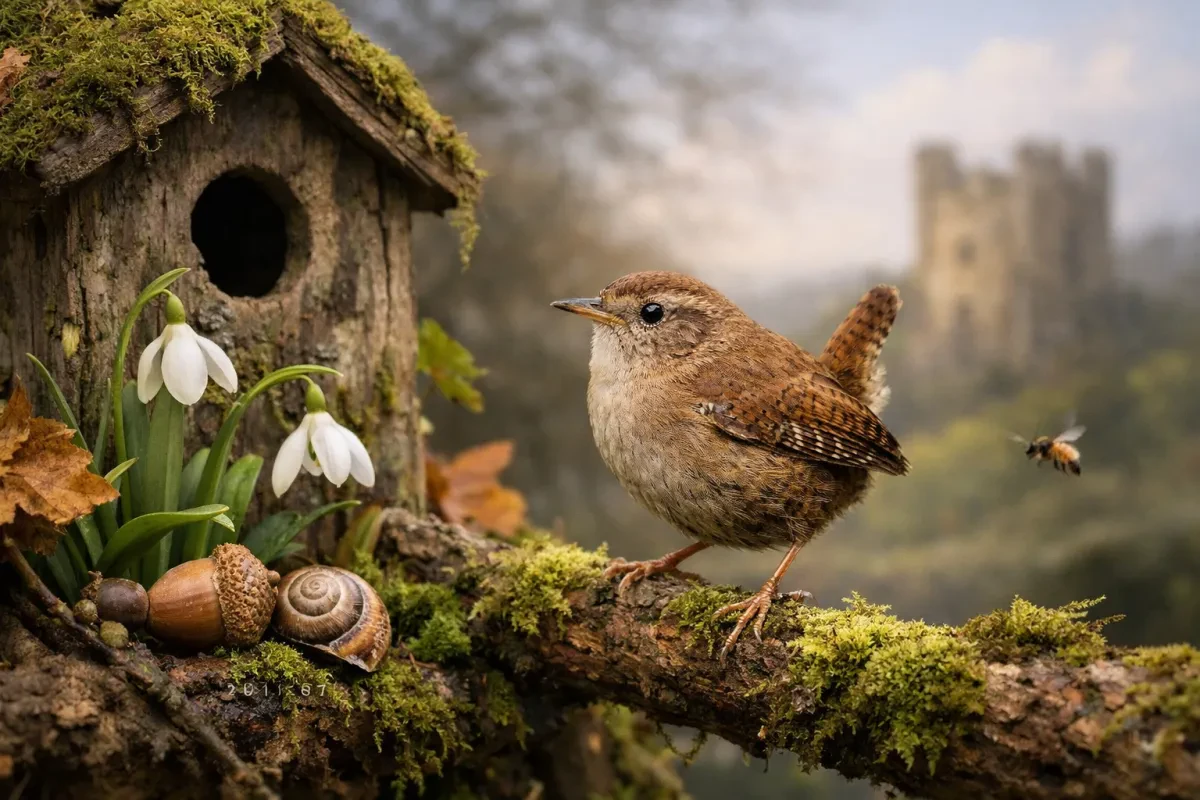
The British wren is one of the smallest birds you'll come across, measuring only about 9 to 10 centimeters long. Despite their tiny size, these little birds have a big personality. They’re often seen flitting about in gardens and woodlands, making them a delightful sight for birdwatchers.
In terms of appearance, the wren has a compact body that’s covered in warm, reddish-brown feathers. Their plumage is streaked with darker hues, which helps them blend into their surroundings. You've probably noticed their distinctive tail that often sticks up in the air, giving them a quirky, endearing look. And did you know they have a tiny, plump shape? It makes them look like little balls of fluff bouncing around.
When it comes to their singing, the British wren doesn’t hold back. They have a loud, cheerful song that can often be heard even though they’re small. If you spot one in the garden, just listen closely – their melody is a sure sign that they've made their home nearby.
With their vibrant antics and bold songs, these birds bring a splash of cheer to the British countryside. So, keep an eye out next time you’re outside, and you might just catch a glimpse of this charming little creature as you enjoy your time in nature. These British Wren facts are just the tip of the iceberg when it comes to appreciating their unique character!
Wren Behavior and Habits
The British wren is a little dynamo packed with personality. These tiny birds are known for their charming behavior and unique habits that make them stand out in the British countryside. You’ll often spot them flitting through gardens and hedgerows, busying themselves as they search for insects and spiders to munch on. Their energetic movements and bubbly chirps can brighten even the dullest of days.
One of the most fascinating British Wren facts is how they build their nests. These little architects are not shy. Males will construct multiple nests in their territory, often in hidden spots like dense shrubs or even in the nooks of garden sheds. It's quite the sight when they flutter in and out, working hard to impress the females. They can be quite territorial, too, defending their nesting sites with vigor against any intruders.
British wrens are also a social bunch during winter months. While they enjoy their independence, you might find them joining flocks with other small birds. This behavior helps them forage better for food, especially when the pickings are slim. Their friendly nature extends to vocalizations, too. Their cheerful songs and calls are a delightful soundtrack to any walk in the woods.
If you're keen on birdwatching, keep an eye out for their signature tail position. The British wren's tail often sticks up in the air, adding a playful touch to their appearance. Observing them can teach you so much about resilience and adaptability in nature. They may be small, but they’ve got big personalities and habits that make these British wren facts truly amazing!
Wren Diet and Feeding
The British Wren is a tiny bird with a big appetite! These little guys are insectivores, meaning they love munching on a variety of insects and other small invertebrates. If you want to attract them to your garden, providing a natural habitat full of their favorite snacks will make your garden a hotspot for these charming birds.
You'll often see the Wren hopping around shrubbery, searching for food. They hunt for all sorts of creepy crawlies, including caterpillars, spiders, and beetles. Wrens are quite agile and can dart in and out of dense foliage in search of their next meal. Watching them figure out how to snag their prey can be quite entertaining!
During the colder months, when insects are harder to come by, Wrens adjust their diet. They might switch to berries and seeds, showing just how adaptable they are. It’s fascinating to see how these birds change their eating habits based on the season, which is one of the many interesting British Wren facts.
If you’re thinking of feeding them in your garden, consider putting out mealworms or a mix of seeds. Just remember, a clean water source is essential too. Keeping your bird feeders filled and your garden insect-friendly supports not only the Wrens but a whole range of garden wildlife!
Wren Nesting and Breeding
The British wren is a tiny bird with a big personality, and its nesting habits are just as fascinating as the bird itself. During the breeding season, which kicks off in late winter to early spring, the male wrens get to work. They start building their nests, often choosing cozy spots like hedges, shrubs, or even the eaves of buildings. It’s not just any nest, though; these little guys are known for creating lavish nests, sometimes with multiple chambers!
The male will gather twigs, leaves, grass, and even feathers to make a comfortable home. He often builds several nests to impress potential mates. Once he attracts a female, she’ll choose her favorite from his creations. It’s like a little home improvement contest where the best nest wins!
After pairing up, the female lays a clutch of about five to eight eggs. She handles most of the incubation duties, sitting on the eggs for about 16 to 19 days until they hatch. Once those fluffy chicks emerge, both parents pitch in to feed them. These are some adorable little birds, and you can spot them chirping energetically as they grow!
One of the most interesting British Wren facts is how quickly the young can fledge. Just two weeks after hatching, they are ready to take their first flight. They’ll still hang out with their parents for a bit, learning the ropes of foraging and exploring the world. Watching this family dynamic unfold is truly captivating, showcasing the resourcefulness and resilience of the British wren!