If you’ve ever strolled through woodlands or gardens in Britain, you might have caught a glimpse of the delightful British Willow Warbler. These little birds are like cheerful messengers of spring, returning each year with their sweet, trilling songs. Their gentle charm and lively movements make them a joy to watch.
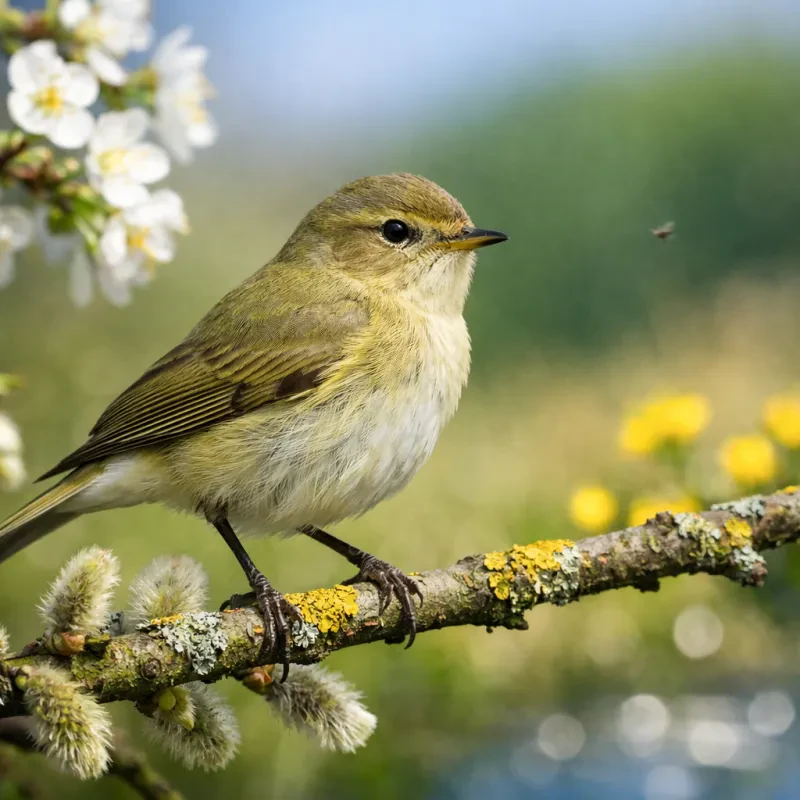
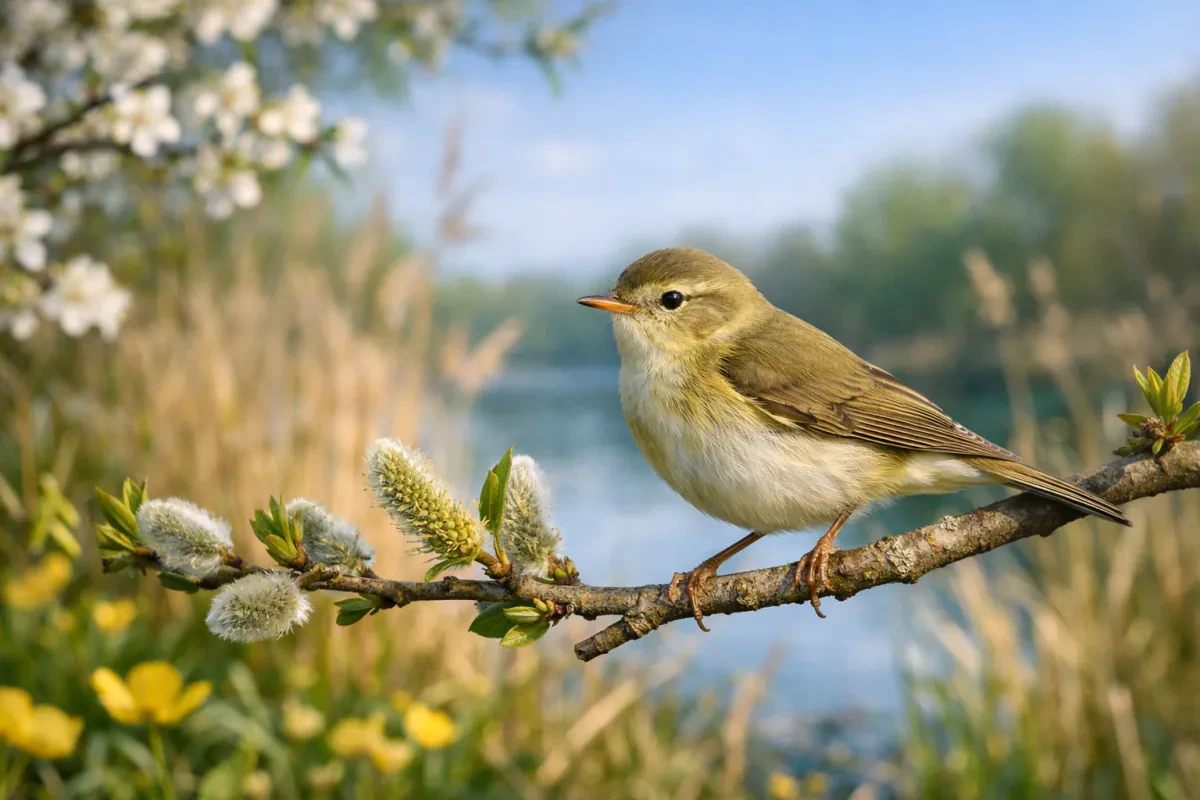
The British Willow Warbler sports an olive-green coat with a hint of yellow on its belly. This camouflage keeps them hidden among the lush leaves, but listen closely, and you’ll hear their distinctive call. It’s soft and melodic, floating through the air, inviting you to come closer and soak in the beauty of nature.
During the breeding season, these warblers are often seen hopping around, searching for insects and other tasty treats to feed their chicks. They love to make their nests in dense shrubs, offering a cozy and safe spot for their little ones. Spotting them flitting about is always a thrill, especially on bright sunny days when their colors really pop.
If you want to attract the British Willow Warbler to your garden, consider planting native shrubs and trees. They thrive in natural habitats, so creating a leafy sanctuary can bring these lovely birds right to your doorstep. Plus, watching them flurry around will surely brighten your day!
Where to Spot the Willow Warbler
The British Willow Warbler is a delightful little bird that's a joy to spot in the wild. If you’re eager to catch a glimpse of this charming creature, you’ll want to know where to look. These birds are often found in woodlands and shrub areas, so head to your local parks or nature reserves. They love dense foliage, especially during the spring and early summer when they’re out and about looking for food.
You’ll often hear their lovely song before you see them, as they have a distinct, soft and melodious tune. Keep an ear out for that! Check along the edges of forests, as the British Willow Warbler likes to flit between trees and bushes. Look for them in gardens too, especially if you’ve got some shrubs for them to hide in.
Don’t forget to visit areas near water, like streams or ponds. These spots attract insects, which are the main food source for Willow Warblers. Early mornings and late afternoons are prime times for spotting them when they tend to be more active.
Lastly, if you’re keen on birdwatching, grab a pair of binoculars. A good vantage point can make all the difference. Whether you're an experienced birdwatcher or just starting out, the thrill of seeing a British Willow Warbler is worth the effort. Happy birding!
Fun Facts About the Willow Warbler
The British Willow Warbler is a tiny bird packed with personality! One of the most charming aspects of this little singer is its vibrant song. During spring, you can often hear their cheerful melodies as they flutter through woodlands, making them a joy for birdwatchers and nature lovers alike.
Did you know that the British Willow Warbler is a migratory bird? They travel all the way from Africa to the UK each year just to breed. This long journey is quite impressive, considering their small size. It’s amazing to think about these little birds flying about 2,000 miles to return to the UK!
Another interesting fact is that the British Willow Warbler has a greenish-yellow color that helps it blend into its surroundings. This camouflage is essential for avoiding predators. When you spot one, look closely at the details on their wings and tail – they have a distinct, almost delicate pattern that sets them apart from other warblers.
These birds also have a unique feeding habit. The British Willow Warbler loves munching on insects and caterpillars, especially during the breeding season. Watching them darting around to catch their next snack can be quite entertaining. Despite being small, they play a big role in the ecosystem by helping control insect populations.
Keep an eye out for these lively little creatures, especially during the warmer months. If you’re lucky, you’ll catch sight of a British Willow Warbler performing its beautiful song amidst the trees, reminding us why nature is so magical.
How to Attract Willow Warblers to Your Garden
If you want the delightful British Willow Warbler to visit your garden, it's all about creating the right environment. These little songbirds are drawn to certain habitats, so setting up your garden with their needs in mind can really pay off.
First off, think about adding some native plants. Willow Warblers love shrubs and trees that provide shelter and food. Try planting willows, hawthorns, and other native species. Not only do these plants attract the insects that Willow Warblers feast on, but they also give the birds a safe place to hide from predators.
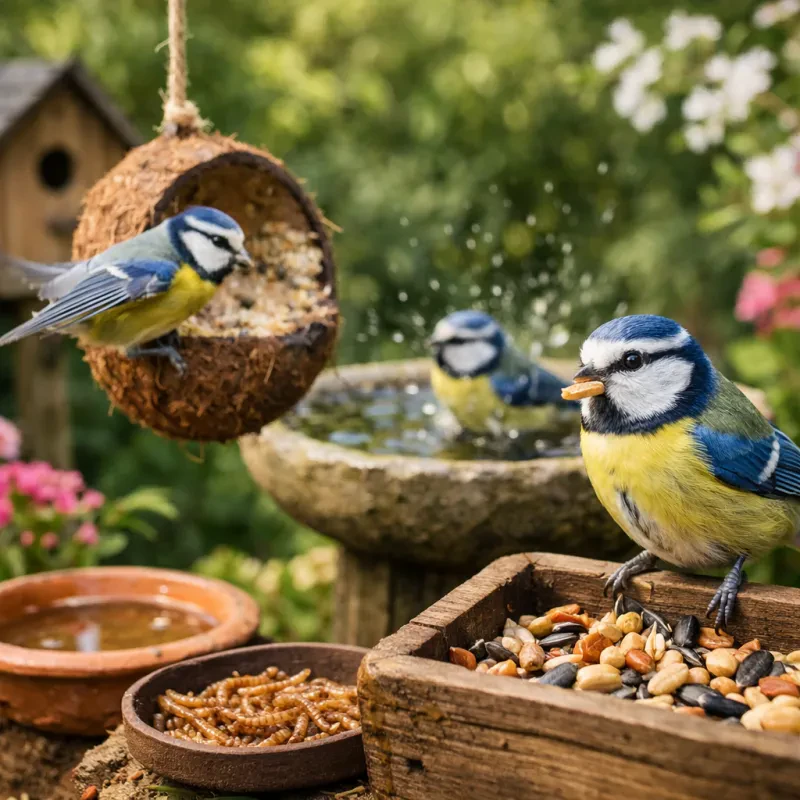
Next, consider adding a water source. A small birdbath can be a real game changer. Willow Warblers need fresh water for drinking and bathing, so make sure to keep it clean and topped up. You might also want to place some rocks or pebbles in it; this gives them a spot to perch while they take a drink.
Don't forget about feeding them! If you want these sweet birds sticking around, consider putting out some mealworms or high-quality bird seed. They’ll appreciate the extra energy, especially during migration seasons when they need it the most.
Finally, keep your garden a bit wild. A little untidiness can create a perfect habitat for insects and other food sources. So, don’t stress about having perfectly manicured flower beds. Embrace the natural look, and you might just find the charming British Willow Warbler making your garden their home!