The British skylark is famous for its delightful singing. You’ll often hear them before you see them. Their songs fill the air with a cheerful melody that can brighten even the cloudiest day. These little birds are not shy about sharing their voices, and that’s one of the reasons people love them.
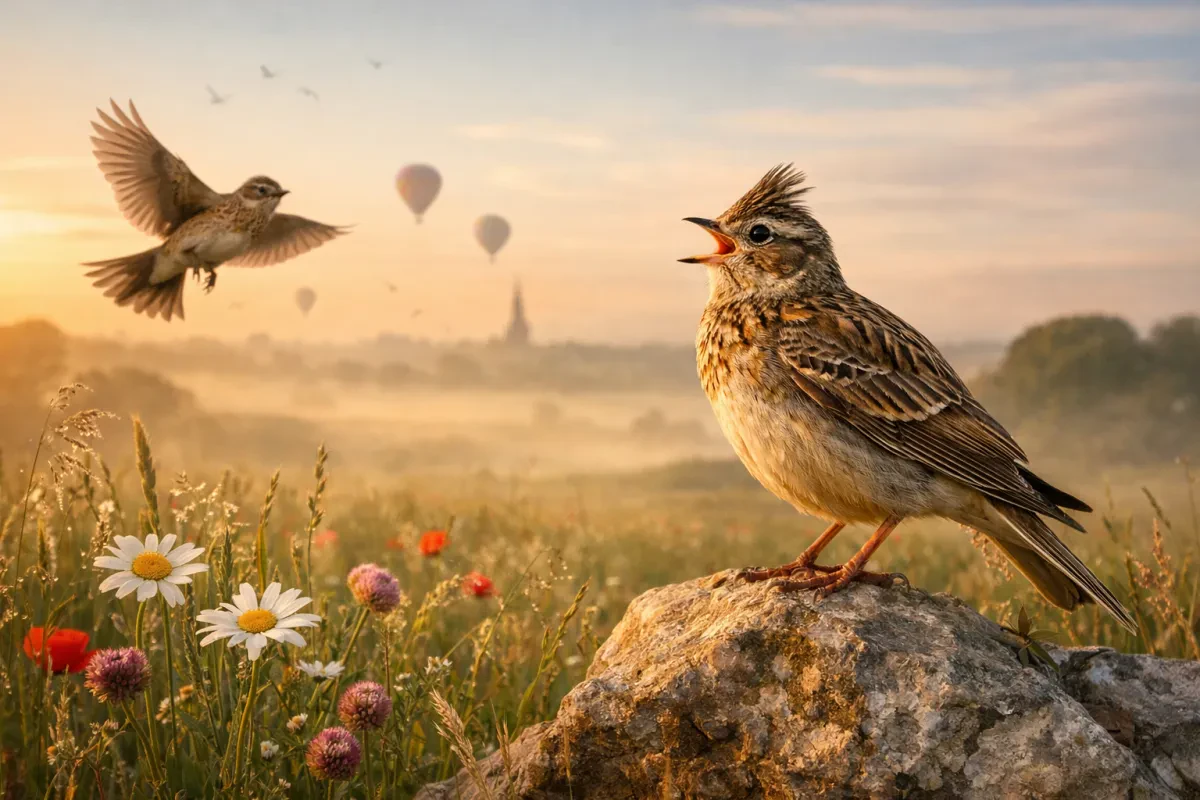
When a skylark takes to the sky, it’s not just flying; it’s performing! They sing while ascending, creating a beautiful musical display. It’s like they’re celebrating life with each note. If you’re out in the countryside, keep your ears open. The sound of a skylark is unmistakable and can transport you right into the heart of nature.
What makes their songs truly charming is the variety. Skylarks can switch it up, delivering a whole range of pitches and rhythms. One minute, it’s a sweet, melodic tune, and the next, it can be a series of quick, staccato notes. Each song adds to the rich tapestry of sounds in their habitat.
If you’re curious about British skylark facts, take note of how they sing from high above. They’ll often float effortlessly in the sky while belting out their beautiful tunes. It's a sight to behold! Next time you’re out, try to spot one soaring through the sky and listen for its unique sounds among the other chorus of birds.
Breeding Habits of the Skylark
When it comes to nesting, Skylarks prefer open habitats like grasslands, meadows, and arable fields. They like to keep things low-key, often nesting directly on the ground, which makes them a bit tricky to spot. Males are protective, and their singing is not just for show; it helps attract females and warn off competitors.
The nest is usually a simple structure made from dried grasses and other plant materials—pretty cozy for their little ones! Female Skylarks lay about 3 to 5 eggs, and she takes charge of incubating them for about 10 to 14 days. Once those chicks hatch, they’re pretty demanding. Both parents pitch in to feed them, bringing back insects and seeds as their little family grows.
These habits give you more insight into the British Skylark facts. By nurturing their young in relatively safe, open spaces and working as a team, they help ensure the next generation of these charming birds can thrive. It’s a tough world out there, but the Skylark is well-adapted to take it on with their unique breeding strategies.
Skylarks in Urban Areas
Skylarks have a special charm, especially when you spot them in urban areas. These little birds adapt surprisingly well to city life, bringing a touch of nature to our bustling environment. Whether it's over a park, a sports field, or even on rooftops, watching a skylark soaring high can brighten your day.
One of the fun British Skylark facts is that these birds love to sing while they fly. You'll often hear their cheerful melodies echoing across the city, especially during the breeding season. It’s a delightful sound that reminds us to take a moment and appreciate the beauty around us.
Urban areas might not seem ideal for skylarks, but they often find suitable nesting spots in grassy areas or even on the outskirts of parks. They can be quite resourceful, taking advantage of any open space. It’s always a treat to see them flitting among the grass, searching for food.
If you want to attract skylarks to your garden, try planting native wildflowers or leaving a patch of grass a bit wild. They prefer open spaces where they can spot potential predators while foraging for seeds and insects. You might just get lucky and catch a glimpse of these charming birds bringing life to your outdoor space!
Fun Facts About Skylarks
Skylarks are pretty amazing birds! Did you know they are famous for their enchanting song? Males sing while soaring high in the sky, and it’s such a joyful sound that it brightens up any landscape. Their songs can be heard during courtship and also to defend territory. If you’re ever out in an open field, just listen closely—you might catch a male skylark serenading the skies!
One of the coolest things about British skylarks is their incredible camouflage. Their brown and streaky plumage helps them blend in perfectly with the grass and soil. This means they can stay hidden from predators, which is super important for their survival. If you ever spot one on the ground, take a moment to appreciate how well it can disappear!
Speaking of their habitat, skylarks love open fields, grasslands, and even agricultural areas. They thrive in places where they can nest on the ground—usually in the grass or a little bit of vegetation. Sadly, with changes in farming practices and habitat loss, their numbers have been declining. Learning more about British skylark facts can help raise awareness about their conservation.
Another fun tidbit? Skylarks are migratory birds! During winter, some populations move to milder areas like southern Europe or North Africa. They return to the UK in spring to breed. This journey showcases their incredible stamina and adaptability! Isn’t nature fascinating?